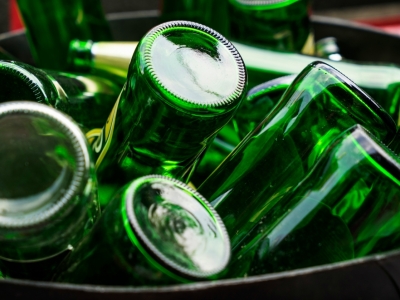
Glass packaging will be penalised following Welsh Government DRS announcement
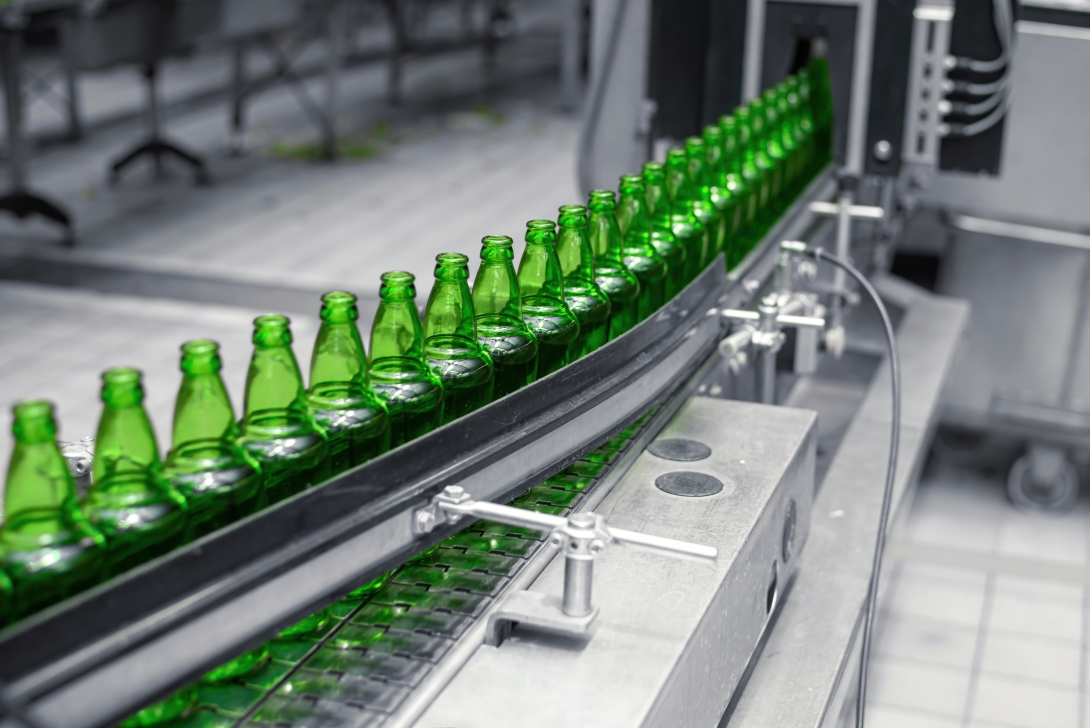
Sheffield – 18/08/2025 – British Glass has warned that the Welsh Government’s decision to include glass beverage containers in its proposed Deposit Return Scheme (DRS) risks undermining one of the most successful kerbside recycling systems in the world, creating market distortions across the UK, and adding unnecessary cost and complexity for producers and consumers.
Wales already achieves a glass collection rate from households of over 92%, with material suitable for closed-loop recycling back into new bottles and jars. British Glass argues there is no need for an expensive DRS, which is unlikely to increase the collection rate, and that could instead be invested in further improving the high-performing kerbside system.
The Welsh DRS consultation was launched today (18 August 2025) with responses by 10 November 2025, and the intention of legislation being passed by the end of March 2026. The Welsh DRS will include glass beverage containers from day one of the scheme, but with a transitional period during which no deposit will be applied. With convenient kerbside collection already in place, and with glass rarely purchased for on-the-go consumption, there will be little incentive for consumers to take bottles back to a supermarket and use a reverse vending machine when they already can recycle on their doorstep via kerbside collection.
Cost risks for producers:
The proposed scheme also creates serious cost risks for producers. For glass, material value is low and the zero deposit means there will be no revenue from unredeemed deposits, leaving producers to cover the shortfall through producer fees.
Market distortion in the UK:
British Glass has also warned that including glass in the Welsh DRS while it is excluded from the schemes in England, Scotland and Northern Ireland will distort the market and could trigger an intervention under the Internal Market Act (IMA) late in the regulatory process, as happened in Scotland. An IMA assessment before the end 2025 would be a far better approach than risking a last-minute reversal. British Glass is calling for a full impact assessment to understand the effect of a zero-deposit DRS with other competing packaging materials and the impact on beverage sales and production in Wales.
Protecting material quality:
Currently, glass bottles and jars are collected whole (not broken) at the kerbside in Wales, ideal for colour sorting and closed loop recycling (remelt) back into new bottles and jars. Reverse vending machines (RVM) for glass typically break and crush the bottles to reduce volume and cost, undermining the quality of glass collected and reducing remelt.
Nick Kirk, Director at British Glass, said:
"Wales already has one of the best kerbside glass collection systems in the world – so why disrupt it with an expensive and unnecessary DRS that will deliver little extra benefit? With zero deposit on glass, the public will stick to the convenience of kerbside collections, while producers face high fees and added complexity.”
Miles Beale, Chief Executive of the Wine and Spirit Trade Association, said:
"The Welsh Government’s proposal for a separate and different Deposit Return Scheme in Wales, one that includes glass, is concerning. It risks undermining an existing recycling system that is ‘best in class’ and creating new and significant market distortions. We believe this new approach, which lacks clarity as to how it is funded, would not only fail to improve on current high collection rates, but will also add unnecessary costs for Welsh businesses and consumers.
“By deviating from the rest of the UK, the Welsh Government risks introducing regulatory chaos and greater costs for Welsh consumers. These plans will create complexities for supply chains, potentially leading to increased costs and reduced consumer choice as producers and the supply chain are forced to navigate a unique system in one part of the UK. We strongly urge the Welsh Government to align its plans with the rest of the UK, to ensure a single, less costly, more efficient and environmentally effective scheme.”
An un-even playing field:
The Welsh Government confirmed at the consultation launch that glass beverage containers will be exempt from Extended Producer Responsibility (pEPR) in Wales once the legislation is passed. This is the right thing to do, but will add another layer of complexity as glass beverage containers will only be exempt from pEPR in Wales.
Reuse – challenges and considerations:
The Welsh Government will be including Reuse as part of their DRS, so the Reverse Vending Machines (RVMs) will have the capability to accept glass bottles for both recycling and reuse, this approach will add considerable cost to glass, as it is likely that little glass for recycling will be collected via RVMs due to the lack of incentive (zero -deposit).
Nick Kirk, Director at British Glass, said:
“We support glass reuse, but it must be a UK-wide system so that brands and retailers can commit with confidence. Going it alone in Wales risks adding cost, complexity and confusion without delivering meaningful environmental gains, with the risk that brands may opt to delist products from the Welsh market."
British Glass is urging the Welsh Government to:
- Align its DRS with the rest of the UK to avoid market distortion and submit an Internal Markets Act application before the end of 2025.
- Carry out a full impact assessment on the zero-deposit approach and its effect on competing packaging materials and the impact on beverage sales and production in Wales.
- Protect the existing high-performing kerbside glass recycling system.
- Develop any reuse scheme as a UK-wide programme, not a Wales-only initiative.